### Indoor Cat6 UTP, FTP, and S/FTP Network Cable: A Comprehensive Overview
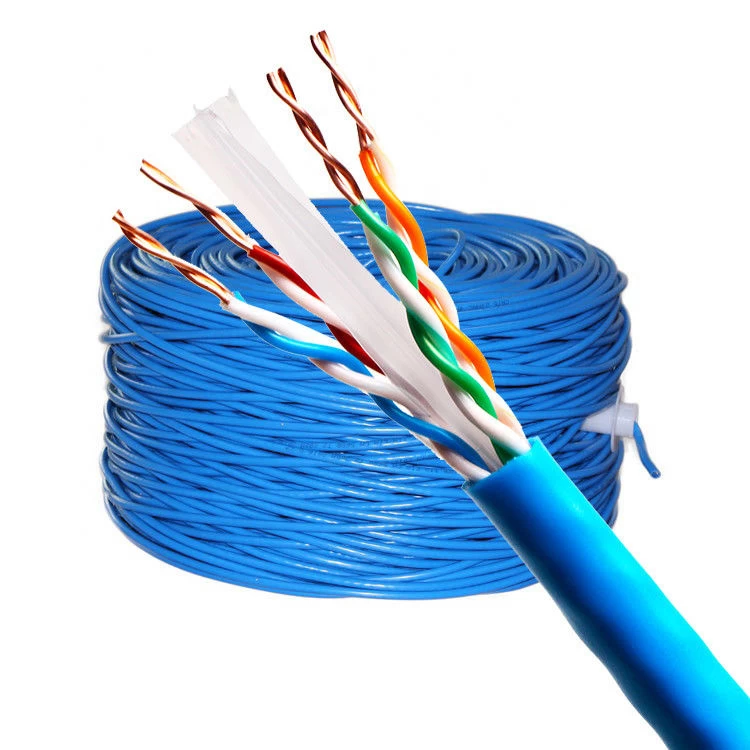
In the realm of telecommunications and computer networking, the choice of cabling plays a critical role in determining the efficiency, reliability, and longevity of your network infrastructure. Among various options available, the Indoor Cat6 Network Cable stands out due to its advanced specifications and performance capabilities. This article delves into the different types of Cat6 cables—Unshielded Twisted Pair (UTP), Shielded Foiled Twisted Pair (FTP), and Shielded Foiled Twisted Pair (S/FTP)—and their significance in modern networking applications.
#### Understanding Cable Types
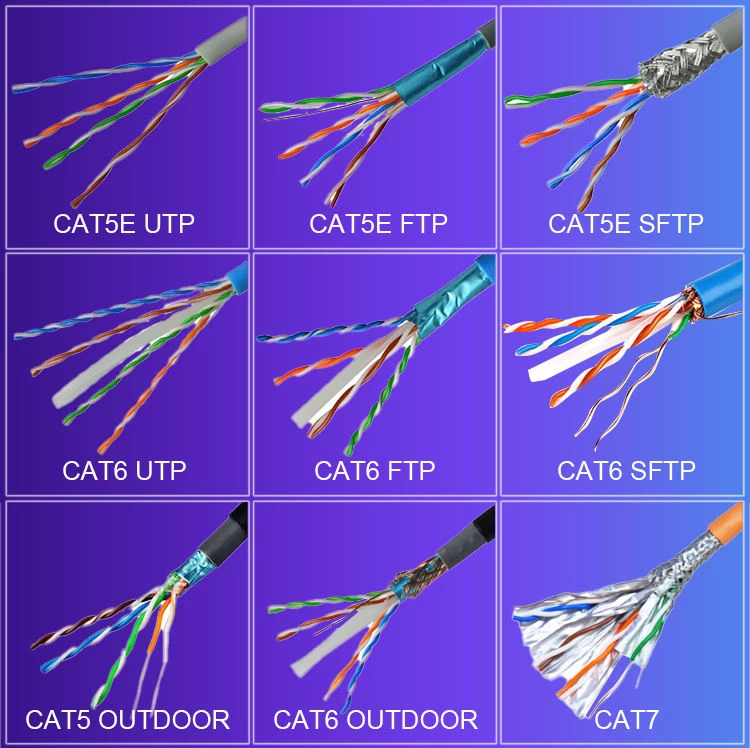
1. **Unshielded Twisted Pair (UTP)**
UTP cables are the most common type of networking cable used for indoor applications. They consist of pairs of wires twisted together to reduce crosstalk and electromagnetic interference (EMI). The absence of shielding makes UTP cables more flexible and cost-effective, making them ideal for typical office environments where high levels of interference are not anticipated.
2. **Single Shielded Twisted Pair (FTP)**
FTP cables incorporate a single layer of shielding, typically aluminum foil, around the entire bundle of wire pairs. This additional layer helps to further mitigate EMI, making FTP cables suitable for environments with moderate interference levels. The shielding allows for better performance in long-distance network layouts, which may be essential for larger office spaces or industrial settings.
3. **Double Shielded Twisted Pair (S/FTP)**
For scenarios demanding the highest level of protection, S/FTP cables feature both individual shielding for each pair of wires as well as an overall shield. This dual-layer shielding, combining aluminum foil and copper mesh, significantly reduces the risk of interference from external sources while minimizing crosstalk between wire pairs. S/FTP cables are particularly beneficial in data-intensive applications such as engineering construction, telecommunications, and the operation of sensitive instruments and meters.
#### Key Features and Benefits
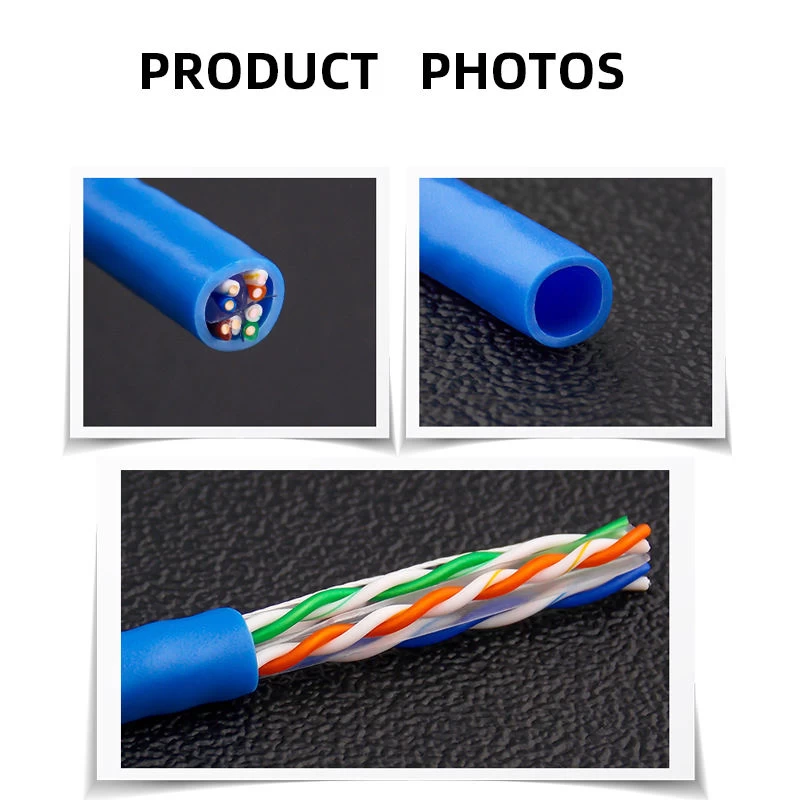
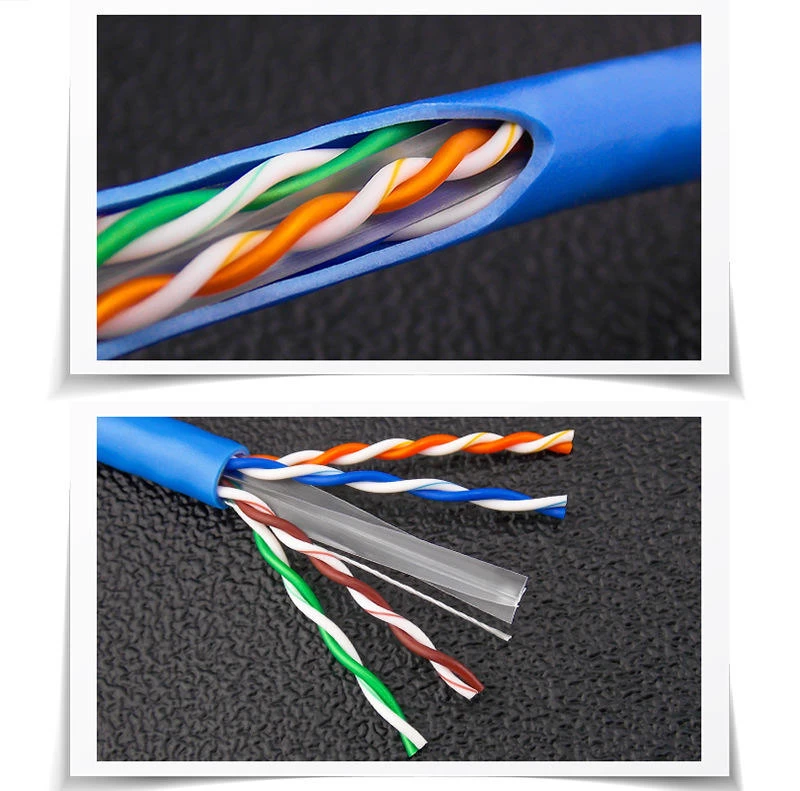
- **Internal Cross Separator:** A vital component within many Cat6 cables, the internal cross separator ensures that wire pairs are kept separate. This design minimizes crosstalk, thereby enhancing data transmission quality and speed.
- **Wire Pairs Separation:** By maintaining spatial separation among wire pairs, the cable effectively reduces signal interference. This is especially important in high-bandwidth applications where data integrity is paramount.
- **Long-Distance Network Layout:** With a standard bulk length of 305 meters, Cat6 cables are designed to support long-distance connections without significant signal degradation. This capability is crucial in sprawling office setups or extensive engineering sites where data needs to travel considerable distances.
- **Bare Copper UTP CA:** When it comes to UTP variations, cables made with bare copper conductors offer superior conductivity and performance compared to those with aluminum alternatives. This characteristic is especially important in high-performance networking environments.
#### Conclusion
Choosing the right type of Indoor Cat6 Network Cable is essential for ensuring optimal performance in any telecommunications or computer networking setup. Whether you opt for UTP, FTP, or S/FTP cables depends largely on your specific networking needs, including the level of electromagnetic interference in your environment and the distance over which you need to run your cables. By understanding the intricacies of these cable types, professionals can make informed decisions that enhance the reliability and efficiency of their network infrastructures.